
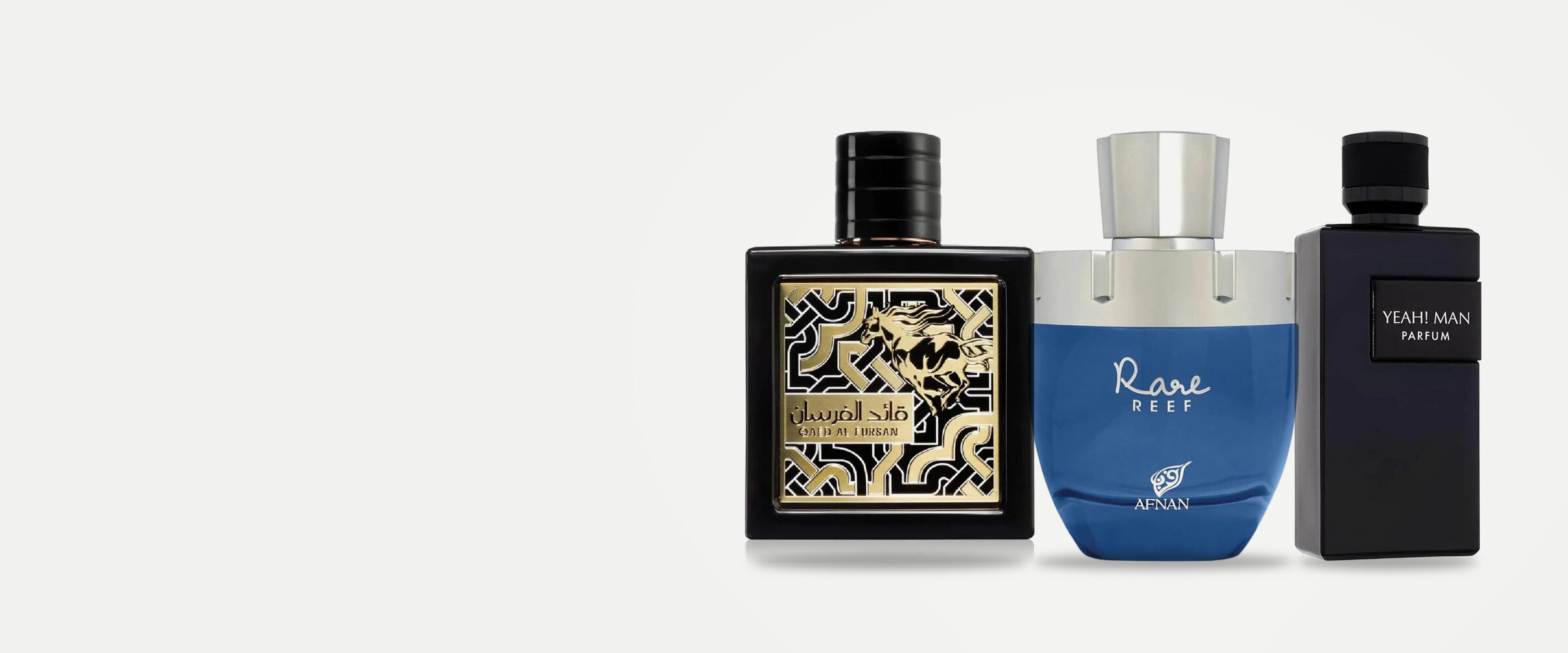
Few ingredients in perfumery carry as much weight as oud. Rich, resinous and unmistakable, it sits at the centre of Middle Eastern fragrance traditions and has become a signature of niche and designer perfumery as well. If you have never tried it, the word alone can feel intimidating. This guide explains what oud is, why it smells the way it does, and how to approach it for the first time.
What is oud?
Oud, also written oudh and known elsewhere as agarwood, is a dark, fragrant resin that forms inside the heartwood of certain trees. The healthy wood itself has little scent. When the tree is infected by a particular type of mould, it responds by producing a dense, aromatic resin, and it is this resin-soaked wood that is prized. The word “oud” comes from the Arabic word for wood.
Because the resin develops only under particular conditions and takes a long time, natural oud has long been considered precious. Its aroma has been used for centuries in incense, in fragrance oils called attars, and in perfumery throughout the Middle East and Asia.
What does oud smell like?
There is no single oud smell, which is part of its appeal. Depending on its origin and preparation, it can be woody, smoky, leathery, sweet, balsamic or even slightly animalic. Many people describe a deep, warm woodiness with a hint of smoke and something almost medicinal at the edges, softened by sweetness.
In a finished fragrance, oud is rarely alone. Perfumers pair it with rose, saffron, amber, sandalwood, patchouli, vanilla or spice to shape how it feels. A rose-and-oud blend is a classic combination, where the floral softens the intensity of the wood. Other compositions emphasise smoke and leather, or add sweetness for a more approachable result.
Natural oud and modern oud accords
Because genuine oud is rare and costly, many contemporary fragrances use a carefully built oud accord instead, which may combine natural materials with synthetic ones to evoke the same character. This is a standard practice in perfumery and is not a fault: an accord can be beautifully made and more consistent from batch to batch. What matters is how the fragrance smells and how it behaves on your skin, not whether the oud was harvested or composed.
Why oud is so closely associated with Middle Eastern perfumery
In many Middle Eastern cultures, scent is part of hospitality and daily ritual. Burning oud chips as incense to perfume a home, applying concentrated attars, and layering fragrances are long-established customs. Arabian perfume houses developed a rich vocabulary around oud, rose and amber, and their compositions tend to be bold, warm and long-lasting. You can explore these in our Middle Eastern collection.
Oud beyond the Middle East
Western perfumers have embraced oud as well. Many designer and niche houses now offer an oud-led fragrance, often interpreting it in a cleaner, more polished style that blends with woods, spices or florals. This means you can choose between a traditional, dense expression and a lighter modern one. Browse the niche and designer collections to compare the two approaches.
How to approach your first oud
- Start with a blend. A fragrance that pairs oud with rose, vanilla or sandalwood is usually gentler than a dark, smoky one.
- Apply sparingly. Oud is potent. One or two sprays are often enough, and you can add more if needed.
- Test on skin and wait. The opening can be intense or sharp. Give it an hour or two to settle into its warm base before deciding.
- Choose your moment. Many people find oud especially satisfying in cooler weather and in the evening, though lighter versions work at other times. Our After Dark edit is a good place to look.
- Do not rush. If the first impression is unfamiliar, try again on another day. Oud is an acquired taste for some, and it often grows on you.
Oud for everyone
Oud is often described as masculine, but that is a convention rather than a rule. Many oud fragrances are made for anyone, and the right blend can be soft, floral or sweet. Rather than relying on labels, focus on how a composition makes you feel. Our unisex collection includes many options that sit comfortably across the spectrum.
Layering and longevity
Oud has an impressive staying power, so it can be layered. Some people apply a light, citrus or floral fragrance first and then a touch of oud over it to add depth; others do the reverse. Experiment on skin and see what you enjoy. For general advice on keeping any fragrance on your skin longer, read how to make your fragrance last longer.
Caring for oud fragrances
Like all perfume, oud fragrances should be kept away from heat, direct sunlight and humidity. Store the bottle in its box or a cool drawer and keep the cap closed. Treated well, a good fragrance keeps its character for years.
If you would like to be guided, try the Fragrance Finder and choose the amber and oud mood, or send us a message and we will gladly suggest a few starting points. Every fragrance in the collection is 100% authentic and ships free across India.